In 2019, my co-founder of Insulinus and my good friend, Jeppe, was diagnosed with type 1 diabetes.
Until then, his pancreas had been doing its job quietly. Regulating blood sugar. Releasing insulin. Keeping everything stable without asking for attention. Then it stopped.
Type 1 diabetes is, at its core, simple to explain. The immune system destroys the insulin-producing cells in the pancreas. Without insulin, glucose can’t enter the cells. Blood sugar rises. The body slowly breaks down.
Insulin is not optional. Without it, you die.
So you replace it. Manually. For the rest of your life.
That’s the part people understand. Injections. Sensors. Numbers.
The invisible burden
What’s harder to understand is the constant decision-making.
Every meal becomes math. How many carbs? What about fat and protein? What’s your current blood sugar? Did you exercise earlier? Are you about to? Is it morning, when insulin resistance is higher? Is there still insulin active from the last dose? Are you stressed? Getting sick? Did you sleep badly?
Your pancreas used to do this automatically, every second of every day. Now you do.
If you miscalculate on the low side, your blood sugar goes high. If you miscalculate on the high side, you risk a low. Both feel terrible. One can kill you quickly. The other slowly.
Even with continuous glucose monitors (CGMs), the burden doesn’t disappear. You get more data, but the responsibility remains. The graphs don’t make decisions. You still do.
Over time, the mental load becomes one of the hardest parts of living with type 1 diabetes. It is relentless. There is no weekend from it. No autopilot mode. You are acting as your own organ.
Building a digital pancreas
Insulinus is our attempt to build what should already exist: a digital pancreas companion. Not a pump. Not just a logging tool. Not another dashboard with pretty charts. A real decision engine.
If the biological pancreas can’t do the calculations, software should.
We are building a system that integrates real-time glucose data from CGMs, activity data, meals, and historical patterns to help answer the questions people with type 1 diabetes¹ face every day. How much insulin should I take for this meal? Should I adjust because I trained earlier? Why do I always go low at night? Why am I high every morning? How should I prepare for a workout? Should my long-acting insulin be adjusted?
We go beyond simple carb counting. We model how fat and protein influence blood sugar hours after a meal. We model how insulin sensitivity shifts during the day. We account for active insulin, workouts, recovery, and patterns that stretch across weeks and months. The goal is not to provide more data. The goal is to reduce decision fatigue.
Why this doesn’t already exist
If this sounds obvious, it’s because the need is obvious. The reason it doesn’t already exist in a meaningful way is regulation.
When software begins influencing insulin dosing, it becomes a regulated medical device under EU and FDA frameworks. That means clinical validation, quality systems, technical documentation, ongoing surveillance. And rightly so. If you get insulin dosing wrong, the consequences are real.
Many diabetes tools stay on the safe side. Logging. Visualisations. “Insights.” General recommendations. Very few go deep into real dosing logic and personalised modelling, because that is where responsibility becomes serious.
We are choosing to go there.
Not because regulation is fun. It’s not. But because safety matters. If we are going to meaningfully reduce the burden of type 1 diabetes, we have to build something that people can trust with real decisions.
This is personal
Jeppe lives this every day. Every meal. Every workout. Every night.
I’ve carried emergency sugars since the day he was diagnosed. Together we ran an ultra marathon on a remote island, Jeppe collapsed with low blood sugar and I was there force feeding him with sugar.
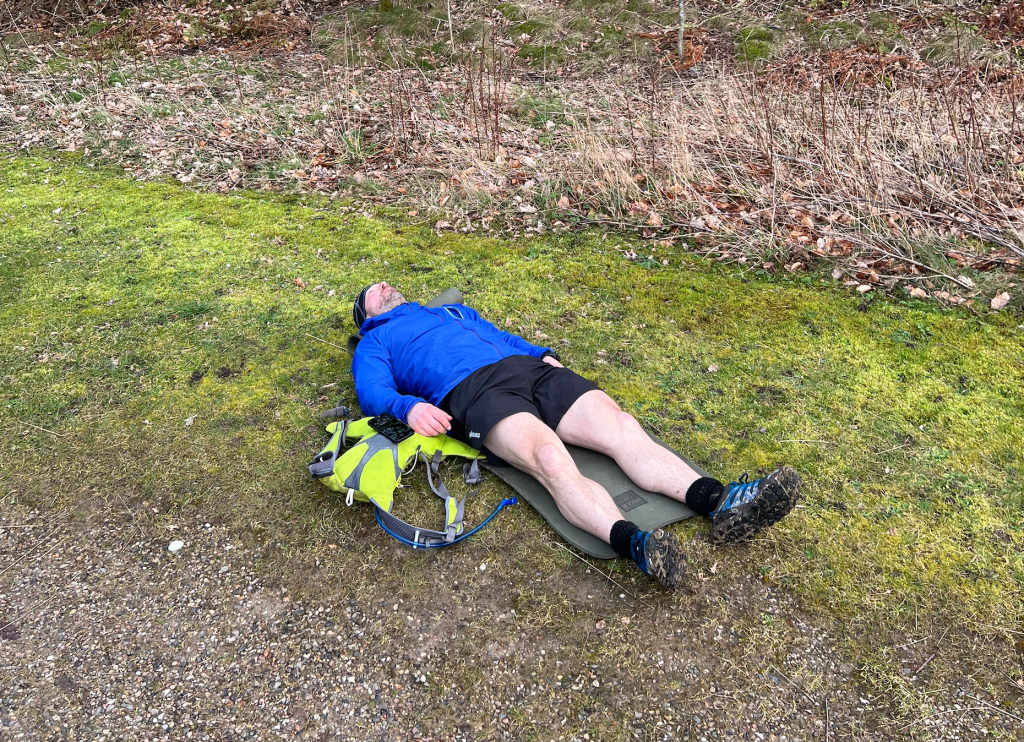
This isn’t theoretical. We’ve been there. And we know we can do better.
Full build mode
Today, we are taking a major step forward.
We have just received a grant from Innovationsfonden. That means we are moving from a prototype toward dedicated native apps for iOS and Android. It means building properly. Real-time integrations. Clinical validation. Regulatory progression. A product that is robust, safe, and scalable.
We are now in full building mode.
The long-term vision is simple. Calculating insulin should not feel like sitting an exam six times a day. Training should not feel like a gamble. Nights should not be a source of anxiety. Blood sugar management should become more predictable, less reactive, less mentally exhausting.
We cannot replace the biological pancreas.
But we can build the next best thing.
If you want to follow along, learn more, or try what we are building, you can read more at https://insulinus.app/.
We are just getting started.
¹ Approximately 0.5–1 percent of the population lives with type 1 diabetes, and a significant number of people with type 2 diabetes also require insulin dosing as part of their treatment. Read more about life with diabetes here.
Discover more from Lars Bo Thomsen
Subscribe to get the latest posts sent to your email.

